
The Living Museum in Bellerose, Queens NYC
The Living Museum in Bellerose, Queens NYC
Overview
The Living Museum, located at 80-45 Winchester Blvd in Bellerose, Queens, is a unique art studio and exhibition space within the Creedmoor Psychiatric Center. Founded by Dr. Janos Marton and Polish artist Bolek Greczynski in 1983, it serves as a creative outlet for current and former patients. This museum is not just about viewing art; it's about experiencing an evolving environment where art is continuously created and displayed. Admission is free, making it accessible to those interested in outsider art and mental health narratives.
The museum's Google rating stands at 4.4 with 10 reviews, while Yelp users rate it a perfect 5 from 4 reviews. Visitors praise the variety of hands-on activities and well-curated displays, noting the educational value and interactive opportunities. The Living Museum is distinct for its focus on art by psychiatric patients, offering a perspective rarely seen in traditional galleries. This space is ideal for those seeking an unconventional art experience.
The Neighborhood
Bellerose, Queens, is a low-rise, institutional area bordering Nassau County. The neighborhood is characterized by its residential and medical facilities, with Creedmoor Psychiatric Center dominating the landscape. The Living Museum fits into this setting as a specialized program within the psychiatric campus, offering a unique cultural experience in an otherwise clinical environment.
Nearby, Winchester Boulevard is lined with other hospital buildings, such as the Queens Village Jamaica Wellness and Recovery Center in Building 73. This area lacks the hustle of commercial strips, providing a quieter atmosphere. Foot traffic primarily consists of hospital staff, patients, and visitors, making it a niche destination for those specifically seeking out The Living Museum.
The Vibe
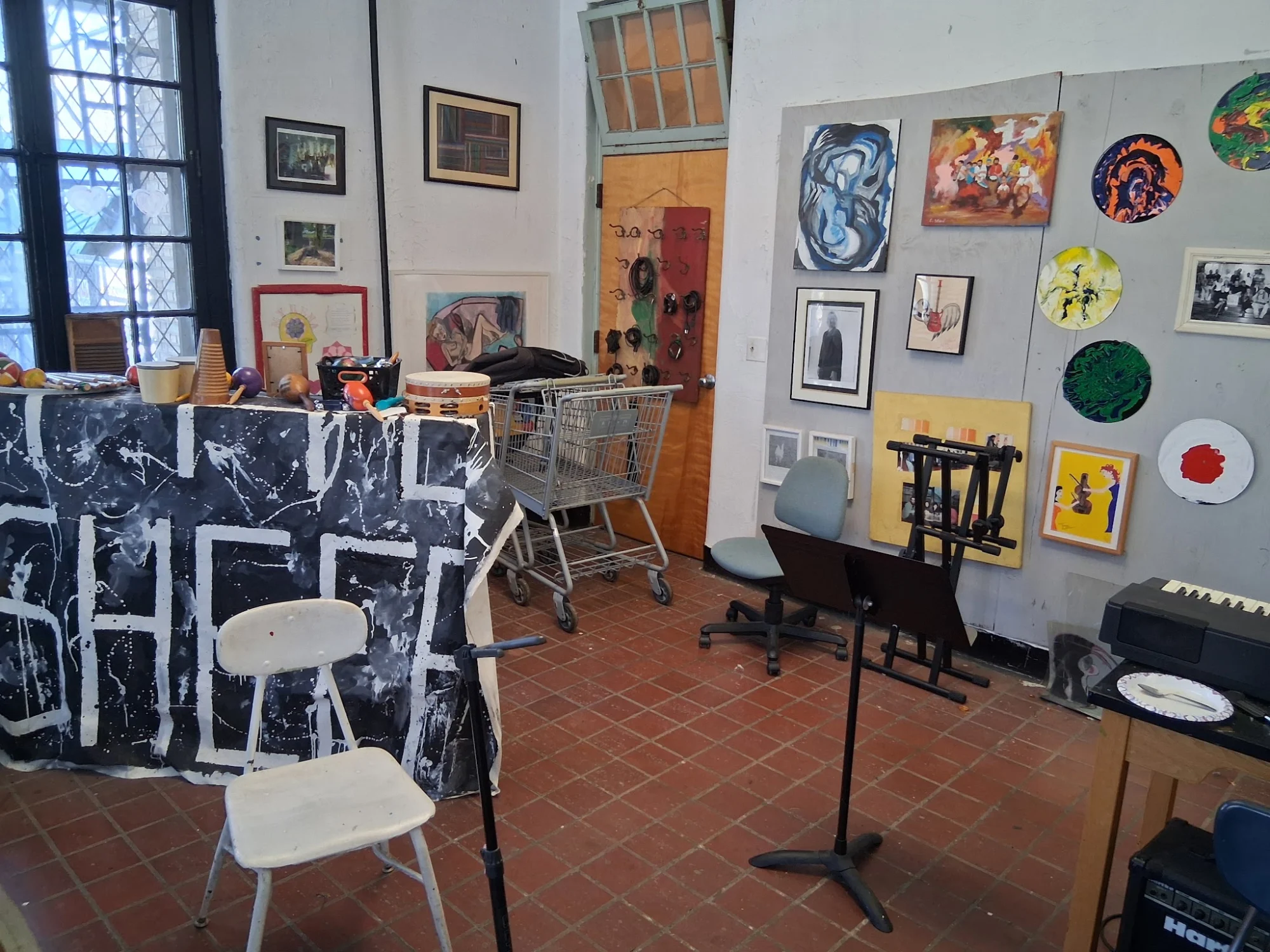
The Living Museum offers a spacious and well-organized environment, with a mix of indoor and outdoor areas. The space is described as clean, though some areas can feel crowded. Signage is clear, aiding navigation, and the museum is wheelchair accessible. However, visits require scheduling in advance, aligning with its location within an active psychiatric facility.
Staff interactions receive mixed feedback. The guides are often praised for their knowledge and enthusiasm, enhancing the visitor experience with engaging stories. However, the ticketing process has been criticized for being confusing and slow, with some staff appearing overwhelmed. First-time visitors should prepare for a unique but potentially frustrating entry process.
What to See and Do
The core experience at The Living Museum is exploring the dense environment of patient-created art. This includes large-scale paintings, assemblage sculptures, and environment-like rooms that have evolved over years. The museum houses the largest collection of outsider art in the United States, offering a self-guided exploration rather than a fixed set of exhibitions.
Admission is free, with visits arranged by contacting the museum directly. There are no paid add-on tours or special exhibitions, making the cost per person effectively $0. The experience revolves around the active studios and installations in Building 75, providing a glimpse into the creative processes of the artists.
Who It's For
The Living Museum is ideal for art enthusiasts interested in outsider art and mental health professionals seeking insight into therapeutic art practices. It's also suitable for students and small groups looking for an educational experience. The museum's focus on patient-created art offers a unique perspective not found in traditional galleries.
However, those seeking a typical museum experience with polished exhibits and amenities might be disappointed. The lack of a café, gift shop, and family-oriented attractions makes it less suitable for casual tourists and families with young children. This is a place for those who appreciate the raw and unfiltered nature of art.
Getting There
The Living Museum is not directly accessible by subway. The nearest option is the F line at 179th Street–Jamaica, over a mile away. Visitors typically use bus routes or drive to reach the museum. The lack of nearby subway access makes planning ahead essential.
Driving is a viable option, with ample parking available on the Creedmoor campus. However, navigating the institutional grounds can be challenging for first-time visitors. Alternate side parking rules apply, so checking local regulations is advised.
Nearby Attractions
Within walking distance of The Living Museum are other Creedmoor Psychiatric Center buildings, such as Building 40, home to the Renaissance House and Family Outreach Program. These facilities are part of the broader mental health services offered on the campus.
Visitors to the area are primarily there for medical appointments or to visit the museum. The institutional setting means there are few traditional attractions nearby. However, those interested in mental health and outsider art will find The Living Museum a worthwhile stop.
Best Time to Visit
The best time to visit The Living Museum is on a weekday morning. Arriving at opening time ensures a quieter experience, as the museum is closed on weekends. This timing allows visitors to explore the exhibits without the crowds that can develop later in the day.
Avoid visiting during peak hours in the afternoon, as the museum can become crowded, making it difficult to enjoy the exhibits fully. The ticketing process can also be slower during these times, adding to the potential frustration.
The Reality Check
One common complaint about The Living Museum is the confusing ticketing process. Some visitors have noted that the staff seems overwhelmed, leading to delays and a frustrating entry experience. This can detract from the overall visit, especially for first-timers.
Additionally, the museum's location within a psychiatric facility means it lacks the amenities of a typical attraction. Visitors expecting a polished museum experience with cafes and gift shops may leave disappointed. The focus here is on the art and the stories behind it, not on commercial offerings.
The Verdict
The Living Museum's City Hacked Rating of Silver (Score: 69) reflects its unique position as an art space within a psychiatric facility. The museum's focus on outsider art and its role in mental health therapy make it a significant cultural institution, despite its operational challenges.
Visit The Living Museum for a distinct and thought-provoking art experience. However, be prepared for a potentially frustrating entry process and limited amenities. This is a place for those who value art's raw and transformative power.
Frequently Asked Questions
Q: How do I schedule a visit to The Living Museum?
A: Contact the museum via email or phone to arrange a visit, as walk-ins are not allowed.
Q: Is there a fee to enter The Living Museum?
A: No, admission is free for all ages, with no ticket price structure.
Q: What are the nearest subway and bus options?
A: The nearest subway is the F line at 179th Street–Jamaica, with bus routes providing closer access.
Q: Is The Living Museum wheelchair accessible?
A: Yes, the museum is wheelchair accessible, making it easy for all visitors to navigate.
Q: Are there any dining options nearby?
A: The museum does not have a café, and dining options are limited in the immediate area.


Overview
The Living Museum, located at 80-45 Winchester Blvd in Bellerose, Queens, is a unique art studio and exhibition space within the Creedmoor Psychiatric Center. Founded by Dr. Janos Marton and Polish artist Bolek Greczynski in 1983, it serves as a creative outlet for current and former patients. This museum is not just about viewing art; it's about experiencing an evolving environment where art is continuously created and displayed. Admission is free, making it accessible to those interested in outsider art and mental health narratives.
The museum's Google rating stands at 4.4 with 10 reviews, while Yelp users rate it a perfect 5 from 4 reviews. Visitors praise the variety of hands-on activities and well-curated displays, noting the educational value and interactive opportunities. The Living Museum is distinct for its focus on art by psychiatric patients, offering a perspective rarely seen in traditional galleries. This space is ideal for those seeking an unconventional art experience.
The Neighborhood
Bellerose, Queens, is a low-rise, institutional area bordering Nassau County. The neighborhood is characterized by its residential and medical facilities, with Creedmoor Psychiatric Center dominating the landscape. The Living Museum fits into this setting as a specialized program within the psychiatric campus, offering a unique cultural experience in an otherwise clinical environment.
Nearby, Winchester Boulevard is lined with other hospital buildings, such as the Queens Village Jamaica Wellness and Recovery Center in Building 73. This area lacks the hustle of commercial strips, providing a quieter atmosphere. Foot traffic primarily consists of hospital staff, patients, and visitors, making it a niche destination for those specifically seeking out The Living Museum.
The Vibe
The Living Museum offers a spacious and well-organized environment, with a mix of indoor and outdoor areas. The space is described as clean, though some areas can feel crowded. Signage is clear, aiding navigation, and the museum is wheelchair accessible. However, visits require scheduling in advance, aligning with its location within an active psychiatric facility.
Staff interactions receive mixed feedback. The guides are often praised for their knowledge and enthusiasm, enhancing the visitor experience with engaging stories. However, the ticketing process has been criticized for being confusing and slow, with some staff appearing overwhelmed. First-time visitors should prepare for a unique but potentially frustrating entry process.
What to See and Do
The core experience at The Living Museum is exploring the dense environment of patient-created art. This includes large-scale paintings, assemblage sculptures, and environment-like rooms that have evolved over years. The museum houses the largest collection of outsider art in the United States, offering a self-guided exploration rather than a fixed set of exhibitions.
Admission is free, with visits arranged by contacting the museum directly. There are no paid add-on tours or special exhibitions, making the cost per person effectively $0. The experience revolves around the active studios and installations in Building 75, providing a glimpse into the creative processes of the artists.
Who It's For
The Living Museum is ideal for art enthusiasts interested in outsider art and mental health professionals seeking insight into therapeutic art practices. It's also suitable for students and small groups looking for an educational experience. The museum's focus on patient-created art offers a unique perspective not found in traditional galleries.
However, those seeking a typical museum experience with polished exhibits and amenities might be disappointed. The lack of a café, gift shop, and family-oriented attractions makes it less suitable for casual tourists and families with young children. This is a place for those who appreciate the raw and unfiltered nature of art.
Getting There
The Living Museum is not directly accessible by subway. The nearest option is the F line at 179th Street–Jamaica, over a mile away. Visitors typically use bus routes or drive to reach the museum. The lack of nearby subway access makes planning ahead essential.
Driving is a viable option, with ample parking available on the Creedmoor campus. However, navigating the institutional grounds can be challenging for first-time visitors. Alternate side parking rules apply, so checking local regulations is advised.
Nearby Attractions
Within walking distance of The Living Museum are other Creedmoor Psychiatric Center buildings, such as Building 40, home to the Renaissance House and Family Outreach Program. These facilities are part of the broader mental health services offered on the campus.
Visitors to the area are primarily there for medical appointments or to visit the museum. The institutional setting means there are few traditional attractions nearby. However, those interested in mental health and outsider art will find The Living Museum a worthwhile stop.
Best Time to Visit
The best time to visit The Living Museum is on a weekday morning. Arriving at opening time ensures a quieter experience, as the museum is closed on weekends. This timing allows visitors to explore the exhibits without the crowds that can develop later in the day.
Avoid visiting during peak hours in the afternoon, as the museum can become crowded, making it difficult to enjoy the exhibits fully. The ticketing process can also be slower during these times, adding to the potential frustration.
The Reality Check
One common complaint about The Living Museum is the confusing ticketing process. Some visitors have noted that the staff seems overwhelmed, leading to delays and a frustrating entry experience. This can detract from the overall visit, especially for first-timers.
Additionally, the museum's location within a psychiatric facility means it lacks the amenities of a typical attraction. Visitors expecting a polished museum experience with cafes and gift shops may leave disappointed. The focus here is on the art and the stories behind it, not on commercial offerings.
The Verdict
The Living Museum's City Hacked Rating of Silver (Score: 69) reflects its unique position as an art space within a psychiatric facility. The museum's focus on outsider art and its role in mental health therapy make it a significant cultural institution, despite its operational challenges.
Visit The Living Museum for a distinct and thought-provoking art experience. However, be prepared for a potentially frustrating entry process and limited amenities. This is a place for those who value art's raw and transformative power.
Frequently Asked Questions
Q: How do I schedule a visit to The Living Museum?
A: Contact the museum via email or phone to arrange a visit, as walk-ins are not allowed.
Q: Is there a fee to enter The Living Museum?
A: No, admission is free for all ages, with no ticket price structure.
Q: What are the nearest subway and bus options?
A: The nearest subway is the F line at 179th Street–Jamaica, with bus routes providing closer access.
Q: Is The Living Museum wheelchair accessible?
A: Yes, the museum is wheelchair accessible, making it easy for all visitors to navigate.
Q: Are there any dining options nearby?
A: The museum does not have a café, and dining options are limited in the immediate area.
You Might Also Like


Guides, Maps & Itineraries
Explore curated New York travel guides, interactive maps, and interactive itinerary builders designed to help you navigate the city’s best restaurants, neighborhoods, attractions, and hidden gems with confidence and ease.