
Prospect Heights Historic District, Brooklyn NYC
Prospect Heights Historic District, Brooklyn NYC
Overview
The Prospect Heights Historic District, designated in 2009, is a sprawling outdoor museum of nearly 850 buildings in Brooklyn's Prospect Heights. This district is a haven for architecture enthusiasts and history buffs, offering a self-guided journey through time with its Italianate, Neo-Grec, Renaissance Revival, and Romanesque Revival styles. With a Google rating of 5 and a Yelp score of 4.5 from 342 reviews, it stands out for its historical significance and architectural diversity.
However, the district lacks official tours, leaving visitors to explore independently. The area is praised for its cleanliness and well-maintained sidewalks, making it accessible for leisurely strolls. While some visitors lament the minimal signage and absence of guided experiences, the district's architectural beauty and historical context provide a rewarding experience for those willing to delve into its past.
The Neighborhood
Prospect Heights, located in Brooklyn, is a neighborhood that blends historical charm with modern vibrancy. Known for its diverse community, it serves as a residential hub with a mix of families, young professionals, and long-time residents. The Prospect Heights Historic District is central to this identity, preserving the architectural heritage amidst the area's evolving landscape.
Nearby, the bustling streets of Vanderbilt Avenue and Washington Avenue offer a plethora of dining and shopping options. The district's proximity to Prospect Park, the Brooklyn Museum, and the Brooklyn Botanic Garden makes it a convenient stop for those exploring these cultural landmarks. Foot traffic is a mix of locals and tourists, creating a dynamic atmosphere that reflects the neighborhood's eclectic character.
The Vibe
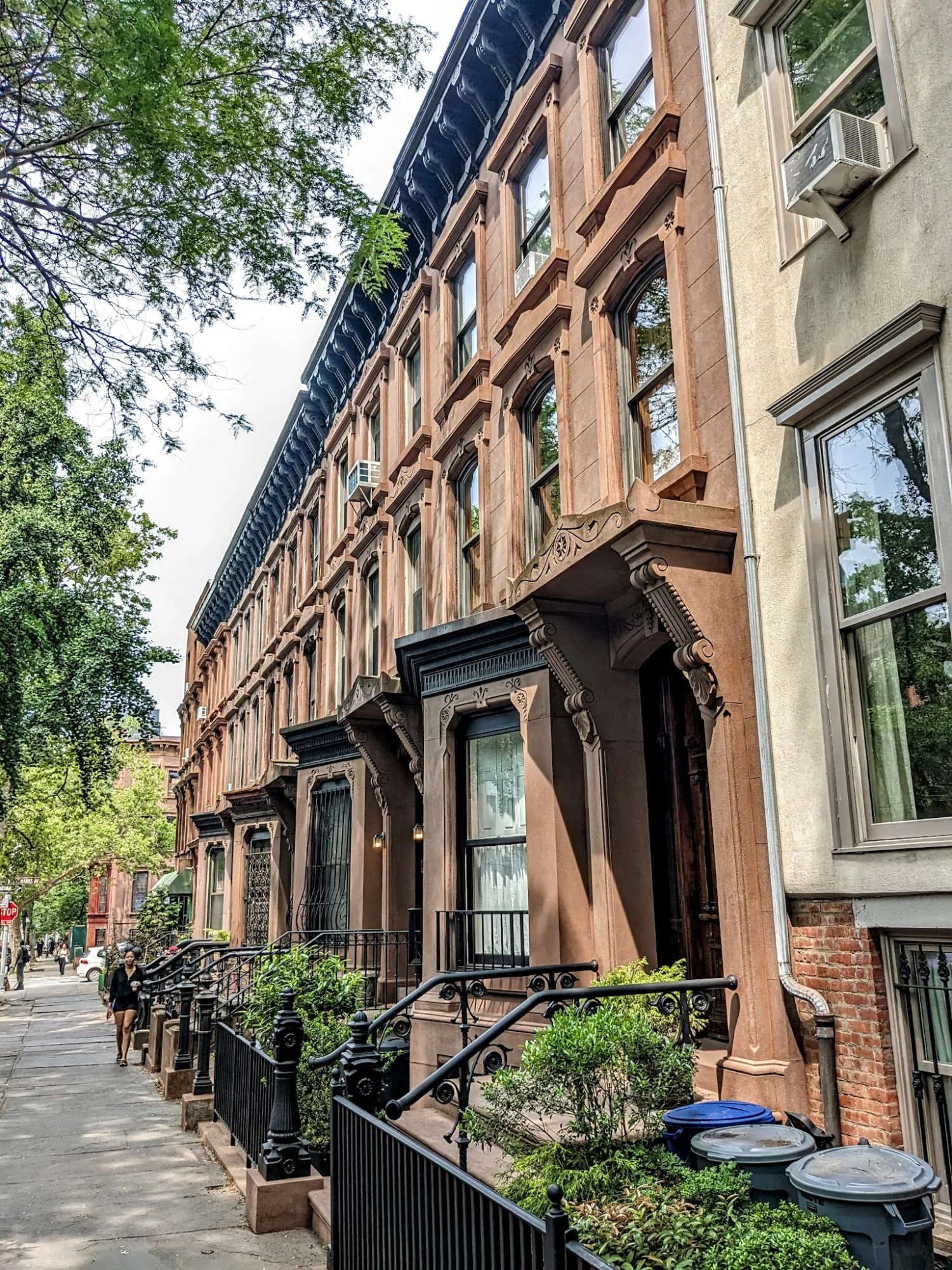
The Prospect Heights Historic District is a pedestrian-friendly space, characterized by its wide sidewalks and tree-lined streets. The atmosphere is generally quiet, though weekends can see an influx of visitors, leading to occasional crowding. The district's layout allows for easy exploration, with no admission fees or ticket requirements.
Service interactions are minimal, as the district operates as a self-guided experience. Reviewers often express a desire for more educational support, noting the absence of guides or informational signage. Despite this, the district's historical allure and architectural beauty continue to attract those interested in Brooklyn's rich past.
What to See and Do
The standout experiences in the Prospect Heights Historic District include viewing the Italianate row houses on St. Marks Avenue and Park Place. These mid-19th-century structures feature high stoops and intricate cornices, offering a glimpse into the area's early development. The Neo-Grec row houses on Prospect Place and Dean Street add to the architectural diversity with their angular ornamentation and geometric details.
Exploring the district is free, making it an affordable option for history enthusiasts. While there are no official tours, independent guides occasionally offer paid walking tours, providing deeper insights into the area's history. The district's Renaissance Revival and Romanesque Revival apartment houses, especially on Washington Avenue, further enrich the architectural experience.
Who It's For
This district is ideal for history buffs, architecture enthusiasts, and those who enjoy self-guided explorations. Its pedestrian-friendly layout and free access make it suitable for families and solo explorers alike. The district's historical significance and architectural beauty provide a unique experience for those interested in Brooklyn's past.
However, those seeking guided tours or interactive experiences may find the district lacking. The minimal signage and absence of official tours can be a drawback for visitors unfamiliar with the area's history. For those who prefer structured experiences, this may not be the ideal destination.
Getting There
The Prospect Heights Historic District is easily accessible by subway. The nearest station is the 7th Avenue station, served by the B and Q lines, with a short walk to the district. Additionally, the 2, 3, and 4 lines stop at the Grand Army Plaza station, providing convenient access.
Driving in Brooklyn can be challenging, with limited street parking and strict alternate side parking rules. Public transit is the recommended option for visiting the district, as it offers a hassle-free experience and avoids the difficulties of finding parking in a busy neighborhood.
Nearby Attractions
Within walking distance of the district, you'll find Prospect Park, a 10-minute walk south, offering expansive green spaces and recreational activities. The Brooklyn Museum and Brooklyn Botanic Garden are also nearby, providing cultural and natural experiences for visitors.
The district's location makes it an ideal addition to a day exploring Brooklyn's cultural landmarks. Visitors to the Barclays Center or those enjoying the dining options on Vanderbilt Avenue can easily incorporate a stroll through the historic district into their itinerary.
Best Time to Visit
For a peaceful experience, visit the district on weekdays, preferably in the morning. This timing allows you to explore the architecture without the weekend crowds, providing a more intimate connection with the area's history.
Avoid weekends if you prefer a quieter visit, as the district can become crowded, making it difficult to fully appreciate the architecture. There are no seasonal closures, so the district is accessible year-round, offering a consistent experience regardless of the time of year.
The Reality Check
The most common complaint about the Prospect Heights Historic District is the lack of guided tours and informational signage. Visitors often express frustration at the minimal context provided, which can detract from the overall experience for those unfamiliar with the area's history.
Additionally, the district may not satisfy those seeking interactive or structured experiences. While the architectural beauty is undeniable, the absence of formal tours or educational resources can leave some visitors wanting more. It's best suited for those who appreciate self-guided exploration and have a keen interest in architecture.
The Verdict
The Prospect Heights Historic District earns its City Hacked Gold Rating with a score of 71, reflecting its historical significance and architectural diversity. The district's preservation status and its role in Brooklyn's cultural landscape make it a valuable destination for those interested in history and architecture.
Visit for a self-guided journey through Brooklyn's past, but skip if you prefer guided experiences. The district's charm lies in its architectural beauty and historical context, offering a unique glimpse into the area's development.
Frequently Asked Questions
Q: Is there an admission fee for the Prospect Heights Historic District?
A: No, admission is free, as the district is an open, public area.
Q: What is the best subway line to reach the district?
A: The B and Q lines to 7th Avenue station are the closest, with a short walk to the district.
Q: Are there guided tours available?
A: Official guided tours are not available, but independent guides occasionally offer paid tours.
Q: Is the district accessible for strollers and wheelchairs?
A: Yes, the district has wide sidewalks, but accessibility varies by block.
Q: What are the nearby dining options?
A: Vanderbilt Avenue and Washington Avenue offer a variety of dining options within walking distance.


Overview
The Prospect Heights Historic District, designated in 2009, is a sprawling outdoor museum of nearly 850 buildings in Brooklyn's Prospect Heights. This district is a haven for architecture enthusiasts and history buffs, offering a self-guided journey through time with its Italianate, Neo-Grec, Renaissance Revival, and Romanesque Revival styles. With a Google rating of 5 and a Yelp score of 4.5 from 342 reviews, it stands out for its historical significance and architectural diversity.
However, the district lacks official tours, leaving visitors to explore independently. The area is praised for its cleanliness and well-maintained sidewalks, making it accessible for leisurely strolls. While some visitors lament the minimal signage and absence of guided experiences, the district's architectural beauty and historical context provide a rewarding experience for those willing to delve into its past.
The Neighborhood
Prospect Heights, located in Brooklyn, is a neighborhood that blends historical charm with modern vibrancy. Known for its diverse community, it serves as a residential hub with a mix of families, young professionals, and long-time residents. The Prospect Heights Historic District is central to this identity, preserving the architectural heritage amidst the area's evolving landscape.
Nearby, the bustling streets of Vanderbilt Avenue and Washington Avenue offer a plethora of dining and shopping options. The district's proximity to Prospect Park, the Brooklyn Museum, and the Brooklyn Botanic Garden makes it a convenient stop for those exploring these cultural landmarks. Foot traffic is a mix of locals and tourists, creating a dynamic atmosphere that reflects the neighborhood's eclectic character.
The Vibe
The Prospect Heights Historic District is a pedestrian-friendly space, characterized by its wide sidewalks and tree-lined streets. The atmosphere is generally quiet, though weekends can see an influx of visitors, leading to occasional crowding. The district's layout allows for easy exploration, with no admission fees or ticket requirements.
Service interactions are minimal, as the district operates as a self-guided experience. Reviewers often express a desire for more educational support, noting the absence of guides or informational signage. Despite this, the district's historical allure and architectural beauty continue to attract those interested in Brooklyn's rich past.
What to See and Do
The standout experiences in the Prospect Heights Historic District include viewing the Italianate row houses on St. Marks Avenue and Park Place. These mid-19th-century structures feature high stoops and intricate cornices, offering a glimpse into the area's early development. The Neo-Grec row houses on Prospect Place and Dean Street add to the architectural diversity with their angular ornamentation and geometric details.
Exploring the district is free, making it an affordable option for history enthusiasts. While there are no official tours, independent guides occasionally offer paid walking tours, providing deeper insights into the area's history. The district's Renaissance Revival and Romanesque Revival apartment houses, especially on Washington Avenue, further enrich the architectural experience.
Who It's For
This district is ideal for history buffs, architecture enthusiasts, and those who enjoy self-guided explorations. Its pedestrian-friendly layout and free access make it suitable for families and solo explorers alike. The district's historical significance and architectural beauty provide a unique experience for those interested in Brooklyn's past.
However, those seeking guided tours or interactive experiences may find the district lacking. The minimal signage and absence of official tours can be a drawback for visitors unfamiliar with the area's history. For those who prefer structured experiences, this may not be the ideal destination.
Getting There
The Prospect Heights Historic District is easily accessible by subway. The nearest station is the 7th Avenue station, served by the B and Q lines, with a short walk to the district. Additionally, the 2, 3, and 4 lines stop at the Grand Army Plaza station, providing convenient access.
Driving in Brooklyn can be challenging, with limited street parking and strict alternate side parking rules. Public transit is the recommended option for visiting the district, as it offers a hassle-free experience and avoids the difficulties of finding parking in a busy neighborhood.
Nearby Attractions
Within walking distance of the district, you'll find Prospect Park, a 10-minute walk south, offering expansive green spaces and recreational activities. The Brooklyn Museum and Brooklyn Botanic Garden are also nearby, providing cultural and natural experiences for visitors.
The district's location makes it an ideal addition to a day exploring Brooklyn's cultural landmarks. Visitors to the Barclays Center or those enjoying the dining options on Vanderbilt Avenue can easily incorporate a stroll through the historic district into their itinerary.
Best Time to Visit
For a peaceful experience, visit the district on weekdays, preferably in the morning. This timing allows you to explore the architecture without the weekend crowds, providing a more intimate connection with the area's history.
Avoid weekends if you prefer a quieter visit, as the district can become crowded, making it difficult to fully appreciate the architecture. There are no seasonal closures, so the district is accessible year-round, offering a consistent experience regardless of the time of year.
The Reality Check
The most common complaint about the Prospect Heights Historic District is the lack of guided tours and informational signage. Visitors often express frustration at the minimal context provided, which can detract from the overall experience for those unfamiliar with the area's history.
Additionally, the district may not satisfy those seeking interactive or structured experiences. While the architectural beauty is undeniable, the absence of formal tours or educational resources can leave some visitors wanting more. It's best suited for those who appreciate self-guided exploration and have a keen interest in architecture.
The Verdict
The Prospect Heights Historic District earns its City Hacked Gold Rating with a score of 71, reflecting its historical significance and architectural diversity. The district's preservation status and its role in Brooklyn's cultural landscape make it a valuable destination for those interested in history and architecture.
Visit for a self-guided journey through Brooklyn's past, but skip if you prefer guided experiences. The district's charm lies in its architectural beauty and historical context, offering a unique glimpse into the area's development.
Frequently Asked Questions
Q: Is there an admission fee for the Prospect Heights Historic District?
A: No, admission is free, as the district is an open, public area.
Q: What is the best subway line to reach the district?
A: The B and Q lines to 7th Avenue station are the closest, with a short walk to the district.
Q: Are there guided tours available?
A: Official guided tours are not available, but independent guides occasionally offer paid tours.
Q: Is the district accessible for strollers and wheelchairs?
A: Yes, the district has wide sidewalks, but accessibility varies by block.
Q: What are the nearby dining options?
A: Vanderbilt Avenue and Washington Avenue offer a variety of dining options within walking distance.
You Might Also Like


Guides, Maps & Itineraries
Explore curated New York travel guides, interactive maps, and interactive itinerary builders designed to help you navigate the city’s best restaurants, neighborhoods, attractions, and hidden gems with confidence and ease.