
MoMA PS1 in Long Island City, Queens NYC
MoMA PS1 in Long Island City, Queens NYC
Overview
MoMA PS1, located at 22-25 Jackson Ave in Long Island City, Queens, is a contemporary art institution that has been redefining the art scene since 1976. Originally founded by Alanna Heiss as the Institute for Art and Urban Resources, it transformed a late-19th-century schoolhouse into a hub for experimental art. Today, it operates under the MoMA umbrella, offering free general admission to all visitors. This makes it a prime destination for art enthusiasts and budget-conscious explorers alike.
What sets MoMA PS1 apart is its commitment to showcasing art that engages with current social, cultural, and political issues. With a Google rating of 4.4 from over 3,200 reviews and a Yelp score of 3.8 from 381 reviews, visitors consistently praise its captivating exhibits and knowledgeable staff. The museum's unique blend of indoor and outdoor spaces, combined with its focus on large-scale and process-based works, differentiates it from other art venues in the city.
The Neighborhood
Long Island City in Queens is a rapidly evolving neighborhood, balancing its industrial roots with modern residential and commercial developments. MoMA PS1 is a cultural anchor here, attracting a diverse crowd of art lovers, local residents, and curious visitors. The area is known for its artistic community and is home to many who appreciate the blend of old and new.
Nearby, the Court Square area is bustling with activity. Within a short walk, you'll find the Citigroup Building and the Long Island City branch of the Queens Public Library. The streets are frequented by office workers, locals, and art students, creating a dynamic atmosphere that reflects the neighborhood's ongoing transformation.
The Vibe
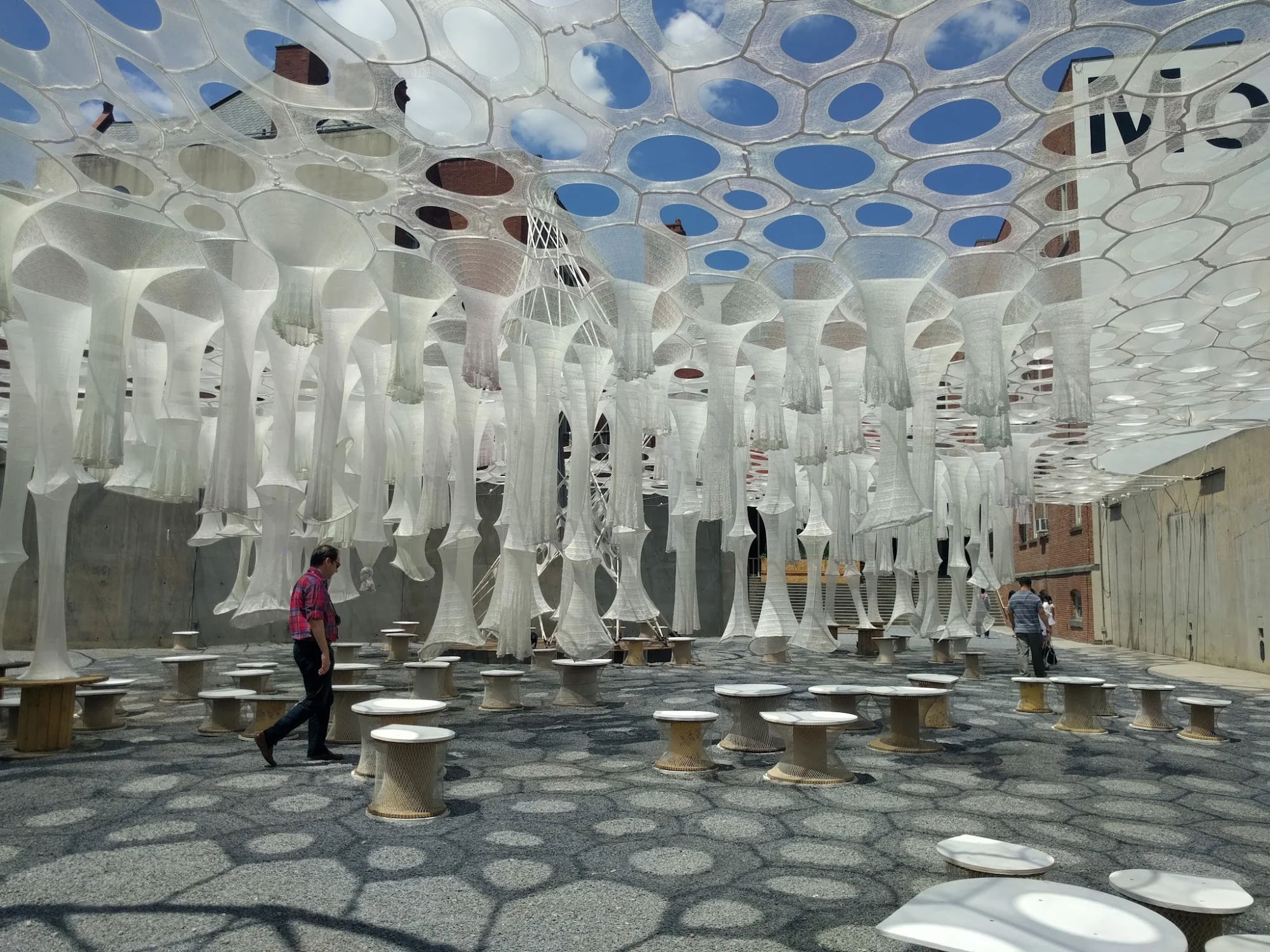
MoMA PS1 offers a spacious and well-lit environment, with multiple floors of galleries and a central courtyard for outdoor installations. Visitors often describe the space as engaging, though weekends can become crowded, especially in popular exhibits. The museum's layout retains the charm of its schoolhouse origins, with long corridors and staircases adding to its character.
Service at MoMA PS1 is generally praised, with staff noted for their enthusiasm and knowledge. Guides are often commended for their passion and ability to answer questions, enhancing the visitor experience. However, some reviews mention that the ticketing staff can seem overwhelmed during peak times, which may impact the initial impression for first-time visitors.
What to See and Do
MoMA PS1 is known for its rotating exhibitions and unique installations. The “Greater New York 2026” exhibition is a highlight, showcasing New York-based artists across generations. The “MoMA PS1 Plaza Mural” by Lady Pink is another standout, visible from both the street and plaza.
Visitors can explore the “Homeroom: Red Canary Song” project, which focuses on migrant workers' organizing efforts. Additionally, James Turrell's light installations offer a mesmerizing experience. Admission is free, making it accessible for all. For those interested in souvenirs, exhibition catalogs range from $30 to $60, while smaller items like postcards are available for $2 to $5.
Who It's For
MoMA PS1 is ideal for contemporary art enthusiasts, budget travelers, and those interested in socially engaged art. Its free admission and diverse programming make it an attractive option for individuals looking to explore art without breaking the bank.
However, those seeking a traditional museum experience with a permanent collection might find it lacking. Families with young children should be prepared for conceptual content that may not always be child-friendly. It's best suited for adults and young adults comfortable with challenging art.
Getting There
Reaching MoMA PS1 is convenient via public transit. The nearest subway station is Court Sq–23 St, served by the E and M lines, and Court Sq on the 7 line. Both stations are a 3–5 minute walk from the museum. Bus routes such as the Q67 and B62 also stop nearby, providing easy access.
Driving in Long Island City can be challenging due to limited street parking and frequent traffic. While there are nearby parking lots, public transit is generally the more efficient option. Visitors should consider using the subway or bus for a hassle-free journey.
Nearby Attractions
Within walking distance of MoMA PS1, you'll find the SculptureCenter at 44-19 Purves St, just 7–8 minutes east. The Culture Lab LIC at The Plaxall Gallery is about a 10–12 minute walk southwest, offering additional contemporary art experiences.
For those exploring Long Island City, MoMA PS1 is a must-visit alongside these cultural venues. The area's art-centric atmosphere makes it an ideal stop for anyone already visiting nearby galleries or attending events at local art spaces.
Best Time to Visit
To avoid crowds, plan your visit to MoMA PS1 on a weekday, particularly during early afternoon hours. Arriving at opening on a Thursday or Friday ensures a more relaxed experience, allowing ample time to explore the exhibits without the weekend rush.
Weekends, especially Saturday afternoons, tend to draw larger crowds, making it harder to enjoy the art at a leisurely pace. The museum is closed on Tuesdays and Wednesdays, so plan accordingly to avoid disappointment.
The Reality Check
Crowding is a common issue at MoMA PS1, particularly during weekends and popular exhibitions. Visitors have noted that the influx of people can make it difficult to fully appreciate the art, with some areas feeling rushed and cramped.
Accessibility can also be a concern, as the elevator is currently out of service, impacting those with mobility challenges. While the museum is generally wheelchair accessible, the temporary lack of elevator access may deter some visitors. Those with specific accessibility needs should check the museum's website for updates before visiting.
The Verdict
MoMA PS1 earned its City Hacked Gold Rating with a score of 76, reflecting its status as a leading contemporary art space. Its free admission, innovative programming, and historical significance as a former schoolhouse turned art hub contribute to its appeal. The score indicates a high level of visitor satisfaction, particularly among art enthusiasts.
Visit MoMA PS1 for an enriching art experience that engages with current issues. Avoid peak times if you prefer a quieter visit. MoMA PS1 is where art meets activism, right in Long Island City.
Frequently Asked Questions
Q: Is there an admission fee for MoMA PS1?
A: No, general admission to MoMA PS1 is free for all visitors.
Q: What are the best subway lines to reach MoMA PS1?
A: The E, M, and 7 lines stop at Court Sq–23 St and Court Sq, a short walk from the museum.
Q: Are there any food options available at MoMA PS1?
A: The museum's restaurant is currently closed, so check for nearby dining options.
Q: Is MoMA PS1 wheelchair accessible?
A: Yes, but note that the elevator is temporarily out of service, affecting upper floor access.
Q: Can I take photos inside MoMA PS1?
A: Photography is generally allowed for personal use, except where signage indicates otherwise.


Overview
MoMA PS1, located at 22-25 Jackson Ave in Long Island City, Queens, is a contemporary art institution that has been redefining the art scene since 1976. Originally founded by Alanna Heiss as the Institute for Art and Urban Resources, it transformed a late-19th-century schoolhouse into a hub for experimental art. Today, it operates under the MoMA umbrella, offering free general admission to all visitors. This makes it a prime destination for art enthusiasts and budget-conscious explorers alike.
What sets MoMA PS1 apart is its commitment to showcasing art that engages with current social, cultural, and political issues. With a Google rating of 4.4 from over 3,200 reviews and a Yelp score of 3.8 from 381 reviews, visitors consistently praise its captivating exhibits and knowledgeable staff. The museum's unique blend of indoor and outdoor spaces, combined with its focus on large-scale and process-based works, differentiates it from other art venues in the city.
The Neighborhood
Long Island City in Queens is a rapidly evolving neighborhood, balancing its industrial roots with modern residential and commercial developments. MoMA PS1 is a cultural anchor here, attracting a diverse crowd of art lovers, local residents, and curious visitors. The area is known for its artistic community and is home to many who appreciate the blend of old and new.
Nearby, the Court Square area is bustling with activity. Within a short walk, you'll find the Citigroup Building and the Long Island City branch of the Queens Public Library. The streets are frequented by office workers, locals, and art students, creating a dynamic atmosphere that reflects the neighborhood's ongoing transformation.
The Vibe
MoMA PS1 offers a spacious and well-lit environment, with multiple floors of galleries and a central courtyard for outdoor installations. Visitors often describe the space as engaging, though weekends can become crowded, especially in popular exhibits. The museum's layout retains the charm of its schoolhouse origins, with long corridors and staircases adding to its character.
Service at MoMA PS1 is generally praised, with staff noted for their enthusiasm and knowledge. Guides are often commended for their passion and ability to answer questions, enhancing the visitor experience. However, some reviews mention that the ticketing staff can seem overwhelmed during peak times, which may impact the initial impression for first-time visitors.
What to See and Do
MoMA PS1 is known for its rotating exhibitions and unique installations. The “Greater New York 2026” exhibition is a highlight, showcasing New York-based artists across generations. The “MoMA PS1 Plaza Mural” by Lady Pink is another standout, visible from both the street and plaza.
Visitors can explore the “Homeroom: Red Canary Song” project, which focuses on migrant workers' organizing efforts. Additionally, James Turrell's light installations offer a mesmerizing experience. Admission is free, making it accessible for all. For those interested in souvenirs, exhibition catalogs range from $30 to $60, while smaller items like postcards are available for $2 to $5.
Who It's For
MoMA PS1 is ideal for contemporary art enthusiasts, budget travelers, and those interested in socially engaged art. Its free admission and diverse programming make it an attractive option for individuals looking to explore art without breaking the bank.
However, those seeking a traditional museum experience with a permanent collection might find it lacking. Families with young children should be prepared for conceptual content that may not always be child-friendly. It's best suited for adults and young adults comfortable with challenging art.
Getting There
Reaching MoMA PS1 is convenient via public transit. The nearest subway station is Court Sq–23 St, served by the E and M lines, and Court Sq on the 7 line. Both stations are a 3–5 minute walk from the museum. Bus routes such as the Q67 and B62 also stop nearby, providing easy access.
Driving in Long Island City can be challenging due to limited street parking and frequent traffic. While there are nearby parking lots, public transit is generally the more efficient option. Visitors should consider using the subway or bus for a hassle-free journey.
Nearby Attractions
Within walking distance of MoMA PS1, you'll find the SculptureCenter at 44-19 Purves St, just 7–8 minutes east. The Culture Lab LIC at The Plaxall Gallery is about a 10–12 minute walk southwest, offering additional contemporary art experiences.
For those exploring Long Island City, MoMA PS1 is a must-visit alongside these cultural venues. The area's art-centric atmosphere makes it an ideal stop for anyone already visiting nearby galleries or attending events at local art spaces.
Best Time to Visit
To avoid crowds, plan your visit to MoMA PS1 on a weekday, particularly during early afternoon hours. Arriving at opening on a Thursday or Friday ensures a more relaxed experience, allowing ample time to explore the exhibits without the weekend rush.
Weekends, especially Saturday afternoons, tend to draw larger crowds, making it harder to enjoy the art at a leisurely pace. The museum is closed on Tuesdays and Wednesdays, so plan accordingly to avoid disappointment.
The Reality Check
Crowding is a common issue at MoMA PS1, particularly during weekends and popular exhibitions. Visitors have noted that the influx of people can make it difficult to fully appreciate the art, with some areas feeling rushed and cramped.
Accessibility can also be a concern, as the elevator is currently out of service, impacting those with mobility challenges. While the museum is generally wheelchair accessible, the temporary lack of elevator access may deter some visitors. Those with specific accessibility needs should check the museum's website for updates before visiting.
The Verdict
MoMA PS1 earned its City Hacked Gold Rating with a score of 76, reflecting its status as a leading contemporary art space. Its free admission, innovative programming, and historical significance as a former schoolhouse turned art hub contribute to its appeal. The score indicates a high level of visitor satisfaction, particularly among art enthusiasts.
Visit MoMA PS1 for an enriching art experience that engages with current issues. Avoid peak times if you prefer a quieter visit. MoMA PS1 is where art meets activism, right in Long Island City.
Frequently Asked Questions
Q: Is there an admission fee for MoMA PS1?
A: No, general admission to MoMA PS1 is free for all visitors.
Q: What are the best subway lines to reach MoMA PS1?
A: The E, M, and 7 lines stop at Court Sq–23 St and Court Sq, a short walk from the museum.
Q: Are there any food options available at MoMA PS1?
A: The museum's restaurant is currently closed, so check for nearby dining options.
Q: Is MoMA PS1 wheelchair accessible?
A: Yes, but note that the elevator is temporarily out of service, affecting upper floor access.
Q: Can I take photos inside MoMA PS1?
A: Photography is generally allowed for personal use, except where signage indicates otherwise.
You Might Also Like



Guides, Maps & Itineraries
Explore curated New York travel guides, interactive maps, and interactive itinerary builders designed to help you navigate the city’s best restaurants, neighborhoods, attractions, and hidden gems with confidence and ease.